Wooden Christmas House Embroidery Review
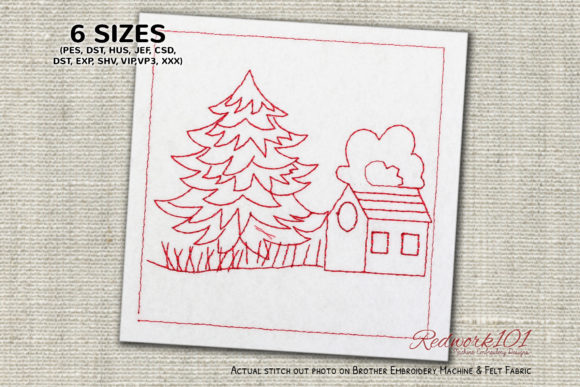
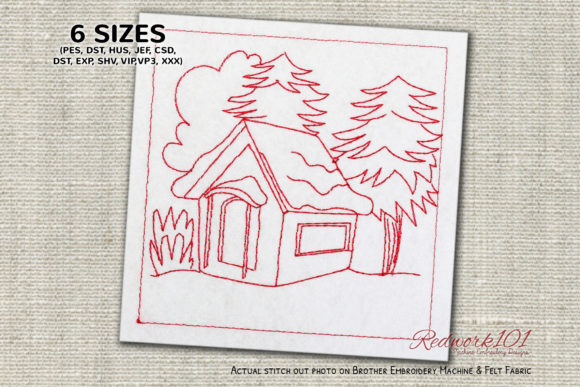
As a designer who sees dozens of embroidery files a week, I can tell you right away what kind of mood the Wooden Christmas House with Tree Redwork design creates. It’s cozy, nostalgic, and handmade-friendly. The first impression is one of classic charm, not overly flashy. It’s the kind of quiet, festive design that feels warm and welcoming. The layout is straightforward—a house, a tree, and a sense of quiet winter evening. This is its visual personality: understated, detailed in a gentle way, and perfect for projects where you want the embroidery to feel like part of the fabric, not just a loud decoration slapped on top.
Where This Design Naturally Belongs
This Wooden Christmas House design naturally belongs to projects that lean toward gift-giving and personal use. Imagine it on the corner of a linen pillow cover in a cozy living room, or centered on a cotton apron for holiday baking. It would be lovely as a small feature on a baby’s knit sweater—a subtle holiday touch without being overwhelming. For small business merchandise, think of high-quality kitchen towels or tea towels for a boutique holiday collection. It’s also an excellent candidate for a simple, elegant patch, perhaps to adorn a canvas tote bag sold at a craft fair. The design isn’t trying to dominate the product; it’s meant to enhance it.
I recently considered it for a custom order: a personalized holiday sweatshirt for a client who wanted something “festive but not cartoony.” This design was a perfect fit. The client loved the idea of a quiet wooden house nestled on the sleeve. It felt special without screaming “Christmas.” That’s the kind of reaction you can expect from customers—a smile of recognition, an appreciation for the craftsmanship, and a sense that the item is thoughtfully made.
Performance in Real Embroidery Situations
In practical stitching scenarios, this design performs well as a mid-level detail piece. On custom apparel like t-shirts or sweatshirts, provided you use the right stabilizer for the fabric, the outlines and fills should stitch clearly. The redwork style implies a focus on line and form, which generally translates to good stitching clarity on most materials. For a tote bag design, it would add significant product value, making a simple bag feel like a special holiday accessory. On baby clothes or nursery decor items, it offers a gentle, non-commercial holiday theme that parents appreciate.
For Etsy sellers and craft businesses, this embroidery file can be a versatile asset. It can anchor a whole line of holiday products—from embroidered blanket corners to simple cap designs. When creating printable mockups for your digital product listings, the design’s clean lines will show up well even in black and white previews, which helps build customer trust. Its handmade presentation is strong; it looks like something you made, not something you merely downloaded. That consistency can bolster your brand as a maker of thoughtful goods.
The Careful Considerations: Where to Use It Wisely
Now, let’s talk about where you need to be careful. Given that the box stitch around the design is optional and may appear in a different color, you must pay close attention to stitch density and fabric choice. On small hoop sizes, the details of the house and tree need to be inspected closely—if the design file has very small elements, they might not stitch out cleanly on textured fabrics like certain knits or tweeds.
On stretchy fabric, for instance a cap’s curved surface, you’ll need robust stabilizer to prevent puckering around any denser fill areas. Stitching onto dark fabric requires careful thought about thread color contrast; the traditional redwork palette might need adjustment. For products destined for frequent washing, like kitchen towels or baby items, test the design on scrap fabric first to ensure the stitches hold up well and don’t create overly dense areas that could wear awkwardly.
Also, note the mention about the outer box. If it’s not part of the core design itself and you choose to skip it, the layout might feel slightly different on the hoop. Always run a test stitch to confirm the final appearance matches your project vision, especially for commercial embroidery projects where consistency is key.
How It Affects Your Project’s Appeal and Value
Using the Wooden Christmas House with Tree Redwork design directly impacts visual appeal and product value. Its giftability is high—it feels personal and timeless. For a holiday gift or a wedding gift during the winter season, an embroidered pillow with this design would be beautifully received. It boosts professionalism when it stitches out cleanly; a crisp, well-executed version of this design on a product tells your customer that you pay attention to quality.
For buyer engagement in an online shop, a clean mockup of this design on a product (like a sweatshirt or apron) can create a strong “want” factor. It’s recognizable as a holiday item but unique enough to stand out from mass-produced graphics. This helps in building a connection with customers looking for authentic handmade products.
Practical Designer Notes Before You Hoop Up
Before you commit this design to a real project, here are my practical notes. Always, always test it on a scrap of your intended project fabric first. Check thread color contrast against your background material. Review the stitch density by looking at the file preview in your software; does it look balanced? Confirm the effective hoop size needed—don’t assume.
Inspect the small details: the tree branches, the house windows. Are they defined enough for your intended product size? Test the design in a simple black and white mockup to see how the shapes read without color. Compare how it might look on both light and dark fabric backgrounds to plan your thread palette. Use the proper stabilizer for your specific fabric and project type.
Crucially, check whether the design’s license permits your use. If you’re selling finished items or incorporating it into digital product bundles for sale, you must confirm the licensing terms before proceeding. This is a fundamental step for any commercial embroidery or craft business use.
The Final Take for Makers and Entrepreneurs
The Wooden Christmas House with Tree Redwork embroidery design is a solid choice for makers seeking a classic, cozy holiday motif. It fits a wide range of applications—from personal gifts to small shop merchandise. Its success hinges on your careful preparation: testing, choosing appropriate fabrics and stabilizers, and considering your customer’s perspective. When stitched well, it elevates a simple product into a special holiday keepsake, reinforcing the value of handmade craftsmanship. For embroidery designers, Etsy sellers, and creative entrepreneurs looking for a dependable holiday design asset, this one offers a lot of practical potential, provided you apply your skills and judgment to bring it to life.