Testing the Easter Cupcake with Egg Redwork Embroidery Design
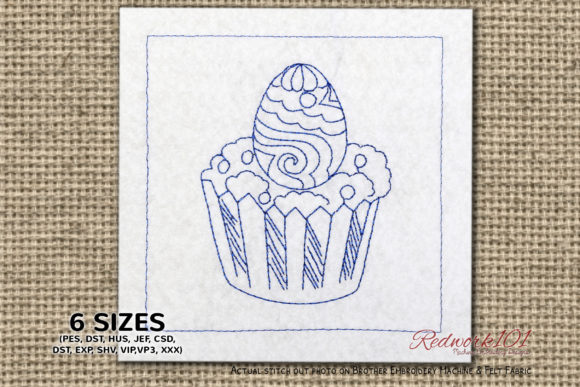
As an embroidery designer, I’m always on the lookout for designs that translate beautifully into finished personalized gifts. When I first opened the Easter Cupcake with Egg Redwork embroidery file, my immediate thought was: this is charming. It has a sweet, handmade, and playful mood that feels perfectly seasonal yet classic. The redwork style—typically single-color, line-based embroidery—gives it an elegant, almost vintage quality, while the subject matter of a cupcake adorned with an egg is undeniably cheerful and warm. This emotional appeal is crucial for gift products; it feels like a hug in stitch form.
The Versatility of a Sweet Seasonal Design
The true test of a good machine embroidery design is its versatility across different products and audiences. Easter Cupcake with Egg Redwork passes this test wonderfully. For baby embroidery, it would be darling on a blanket or a nursery pillow cover, offering a gentle, non-overwhelming detail. For wedding gifts, imagine it on a kitchen towel or apron for a couple who loves baking or hosting—it becomes a personalized keepsake with a story. It’s ideal for family Easter keepsakes, like a custom tote bag for spring gatherings.
Crafters and small business owners, like Etsy sellers and gift shop owners, will find this design incredibly useful. It can anchor entire product lines. Think embroidered pillow covers for spring home decor, personalized towels as hostess gifts, or aprons as unique craft fair products. For digital product sellers offering the file itself, it’s a strong candidate for customers looking for wholesome, family-friendly themes. The design also works brilliantly for creating custom order previews and printable mockups, helping buyers visualize the finished product on their chosen item.
Considering the Practical Application
However, a professional review means looking at where a design should be used carefully. The Redwork style often relies on clean lines and details. For Easter Cupcake with Egg Redwork, I would advise paying close attention to any small lettering or very delicate details within the design. These areas might require careful stitching on textured fabrics like thick towels or on challenging surfaces like stretchy baby clothes. Stitch density and proper stabilizer choice become paramount here.
Testing on scrap fabric first is non-negotiable. I’d run tests on both light and dark fabric mockups to check thread color contrast—redwork on dark fabric can be stunning but may need a bright thread for visibility. Confirm the recommended hoop size for your specific embroidery machine to ensure the design frames well. After stitching, always check those small details; a skipped stitch in a fine line can be noticeable. For products that need frequent washing, like towels or baby blankets, ensure your thread and finishing techniques are durable.
How This Design Elevates a Gift Business
From a business perspective, Easter Cupcake with Egg Redwork significantly affects giftability and perceived value. A handmade product featuring this design feels intentional and thoughtful. It’s not a generic image; it’s a specific, charming scene that builds an emotional connection with the buyer. This connection fosters customer trust and reinforces the handmade quality of your work.
In product photography for your Etsy listings or small shop website, this design photographs well. The clear, definable shapes and likely minimal color palette make it stand out cleanly against fabrics, boosting buyer engagement. It tells a visual story of spring, celebration, and homemade warmth, which is a powerful selling point. For baby product creators or wedding gift designers, it adds a layer of personalized sweetness that customers actively seek.
Essential Embroidery Notes Before You Stitch
Before running this embroidery file on a final product, here is my practical checklist:
- Always test on a scrap of the actual target fabric (e.g., terry cloth for towels, quilting cotton for pillow covers).
- Check thread color contrast against your fabric. A classic red might be perfect, but consider a softer pink or a deeper burgundy for different moods.
- Confirm the hoop size compatibility with your machine and the physical product. A large blanket might need a different approach than a small apron pocket.
- Review the stitch density in the file preview; very dense areas on delicate fabrics like lightweight blankets might need adjustment.
- Use the proper stabilizer for your fabric type—cut-away for stretchy items, tear-away for stable cottons.
- Compare light and dark fabric mockups digitally to plan your thread choices.
- After your test stitch, inspect all small details closely to ensure clarity.
- If you plan to sell the finished products commercially, confirm the commercial embroidery licensing terms for this digital embroidery file before proceeding.
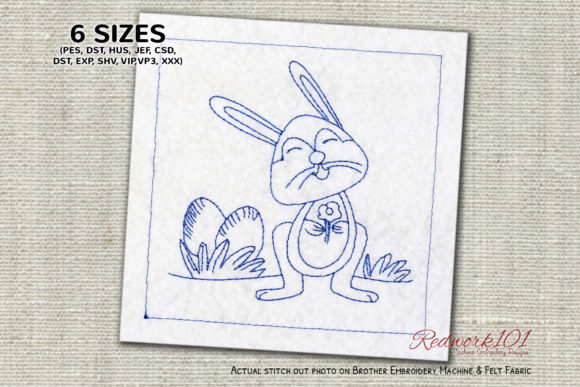
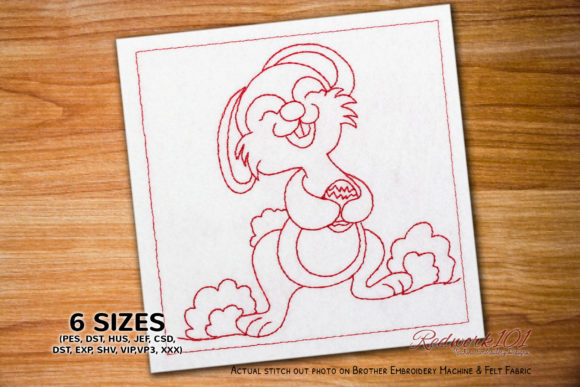
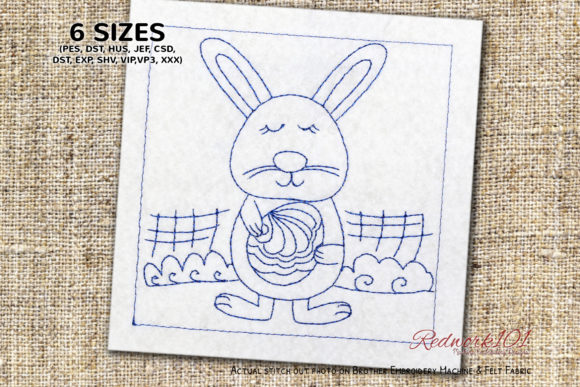
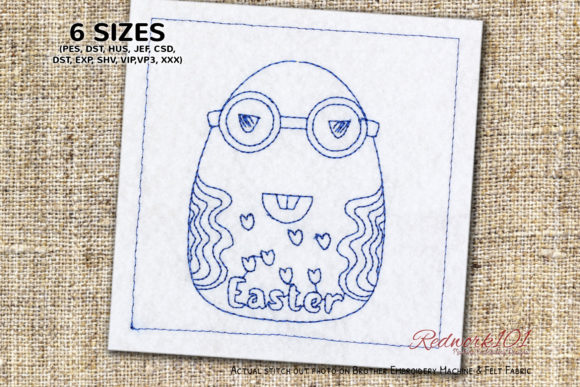
A note on the design description: it mentions "The Box Stitch shown in the picture is optional. The color of the outer box is a different color in most of the designs unless it is part of the design itself, you can skip the." This is useful information. It means the design likely has a boundary or framing element that you can choose to include or exclude based on your project. For a clean look on a baby blanket or a towel, skipping the outer box might make the cupcake integrate more seamlessly. For a defined, graphic look on a tote bag, including it could be perfect. This optional element adds to the design's flexibility.
Final Thoughts for Crafters and Sellers
Easter Cupcake with Egg Redwork is a strong, emotive design that I would confidently use in my own personalized gift shop. It attracts customers looking for something sweet, handmade, and tied to the season—parents shopping for nursery decor, friends seeking a unique wedding gift, or anyone wanting a custom kitchen item. Its success hinges on your skillful application: choosing the right fabric, thread, and product pairing.
Remember, the beauty of custom embroidery is in the marriage of a great digital design with your craftsmanship. This design provides a wonderful foundation. By following thorough testing protocols and understanding its strengths and careful-use areas, you can create finished products that delight your customers and enhance your reputation as a maker of meaningful, high-quality gifts.