Easter Egg Embroidery Design Review for Craft Fair Success
As an embroidery designer preparing for a busy spring craft fair, evaluating a new design like the Easter Egg with Glasses Redwork Design is a crucial step. You’re not just looking at a digital file; you’re imagining it on finished products, on your display table, and in a customer’s hands. This review is about practical, real-world judgment: what sells, what looks good in person, and what is practical to produce in batches for your booth.
First Impression: A Playful & Modern Easter Twist
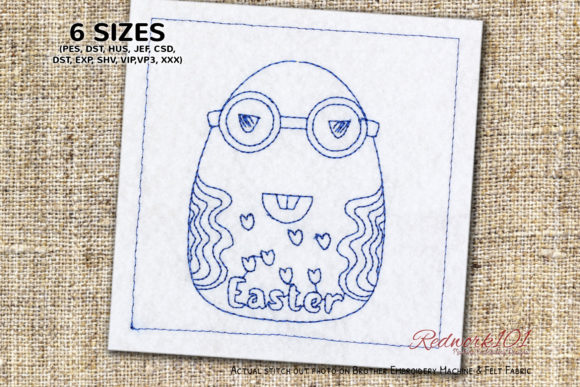
The Easter Egg with Glasses Redwork Design immediately strikes a playful, modern tone. The classic redwork style—often associated with traditional, rustic motifs—gets a fun update with the glasses detail. This design feels cute, clever, and slightly whimsical. It’s not overly farmhouse or overtly festive; it has a softer, decorative charm that could appeal beyond strict Easter shoppers. For a craft fair booth, this is a strength. It can attract customers looking for a specific holiday gift, but also those drawn to a unique, lighthearted graphic.
Where This Design Stands Out on Your Craft Fair Table
Imagine your booth: tote bags hanging, aprons displayed, tea towels neatly stacked, and a basket of small pouches and patches. The Easter Egg with Glasses Redwork Design needs the right product to shine. Its charm is in the detail, so it shouldn’t be lost on a massive, busy item.
- Tote Bags & Market Bags: This design would work beautifully as a medium-sized accent on the front or pocket of a natural canvas bag. It’s bold enough to be noticed but not overwhelming.
- Tea Towels & Kitchen Aprons: These are top sellers for holiday themes. On a linen tea towel or the bib of an apron, the design becomes a functional decoration. The redwork style pairs perfectly with these utilitarian items.
- Pillow Covers & Small Pouches: For a more decorative, giftable item, a pillow cover (around 12” square) gives the design space to be a focal point. A small fabric pouch makes for an instant, affordable gift.
- Embroidered Patches & Caps: The glasses detail is key here. As a patch, it’s quirky and could sell well to a younger crowd. On a cap, you must carefully consider the curved surface; test it first to ensure the design doesn’t distort.
The design’s optional outer box stitch, mentioned in the description, is a production consideration. If the box color differs from the main design, it adds a framing element. For a cleaner, more minimal look on items like tea towels, skipping it might be the right choice. This flexibility is valuable for batch production.
Practical Production for Batch Selling
When turning a digital embroidery file into a lineup of craft fair products, efficiency and consistency matter.
- Test First on Scrap Fabric: Always stitch out the Easter Egg with Glasses Redwork Design on a scrap of the actual fabric you’ll use—be it canvas, linen, or towel material. Check thread contrast, especially if using the traditional red on lighter fabrics.
- Evaluate Stitch Density & Detail: Redwork typically uses running stitches, which are less dense. This is good news for production speed and for stitching on thicker fabrics like tote bag material or textured towels without heavy puckering.
- Consider Hoop Size & Placement: The design likely fits in a moderate hoop (check your specific file details). This allows for efficient multi-hooping if you’re producing batches of identical items, like a set of tea towels.
- Use the Right Stabilizer: Even with lighter stitch density, a good stabilizer is essential for clean stitches on every product type, ensuring your handmade quality looks professional.
Watch Points for Clarity & Appeal
Small details like the glasses can lose clarity if the design is scaled down too much for a tiny patch or a pocket accent. Always create at least one real physical mockup before full production. See how it looks at the size you intend to sell. Also, consider dark fabrics; redwork on a dark background may require a thread color change to maintain visibility and impact.
How This Design Drives Sales & Booth Engagement
A successful craft fair booth relies on visual appeal and customer engagement. The Easter Egg with Glasses Redwork Design adds value in several ways.
- Customer Attention: It’s a conversation starter. The glasses add a personality that customers might comment on, creating a moment for you to engage and share your story.
- Product Value Perception: On well-made items like linen towels or canvas totes, this unique design elevates the product from generic to specialty handmade, supporting a slightly higher price point.
- Booth Display Strength: A cohesive display where this design appears on a few different product types (e.g., a towel, a pouch, and a tote) shows versatility and strengthens your brand’s creative identity.
- Photography for Online Sales: For Etsy sellers and digital shops, this design photographs well. The clear, graphic lines and playful theme make for attractive listing photos and printable mockups.
Final Designer Notes Before You Stitch
Before you commit this design to a full production run for your fair, do a final review. Confirm the commercial licensing terms of your embroidery file. Compare how it looks on different fabric colors in your lineup—does it pop on both cream and white linen? Plan your booth samples; having one item with this design prominently displayed can draw eyes to your entire Easter or spring-themed section.
The Easter Egg with Glasses Redwork Design is a strong candidate for your handmade market products. Its blend of tradition and whimsy, combined with practical production features, makes it a versatile asset. By pairing it with the right products and preparing with careful testing, you can turn this digital design into a standout, sellable reality at your craft fair booth.