Bunny with Decorated Egg: A Practical Redwork Review
As a designer who uses embroidery files daily for client work and my own small shop, I approach every new design with a critical eye for real-world application. Today, I’m sharing my thoughts on the Bunny with Decorated Egg Redwork design, evaluating it not just as a digital file, but as a potential asset for your next project.
The First Impression: Quiet Charm Over Loud Celebration
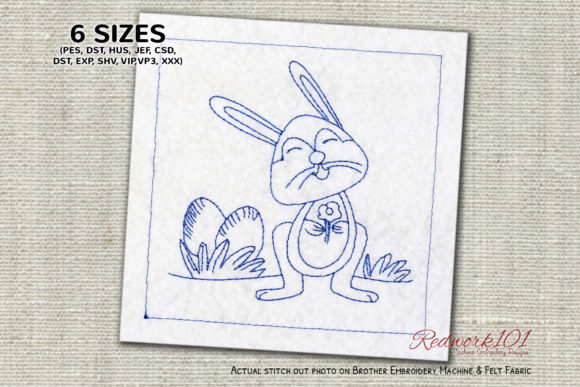
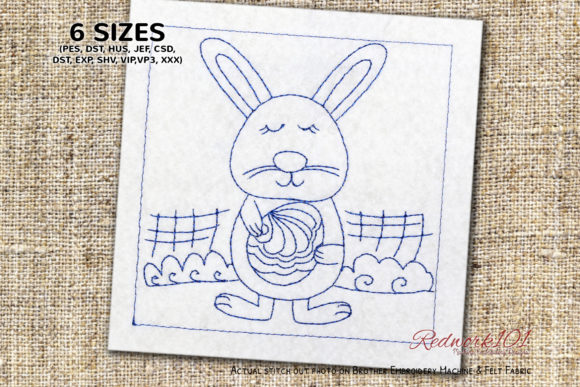
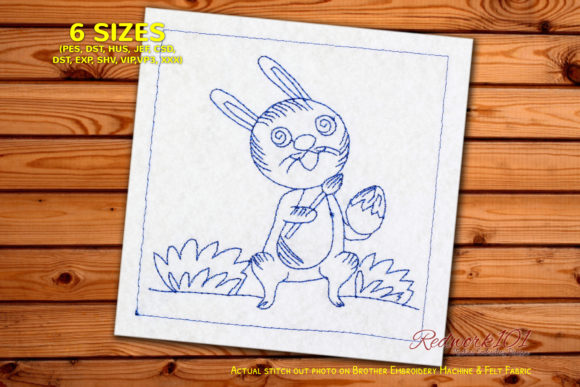
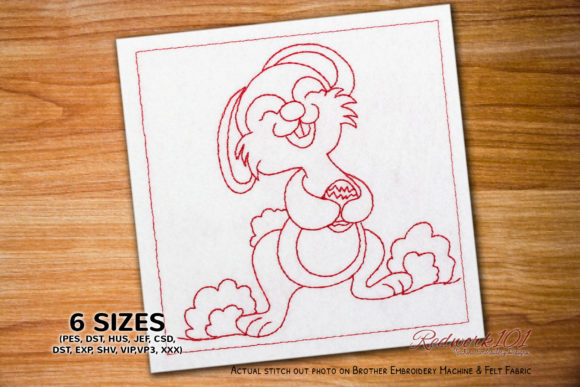
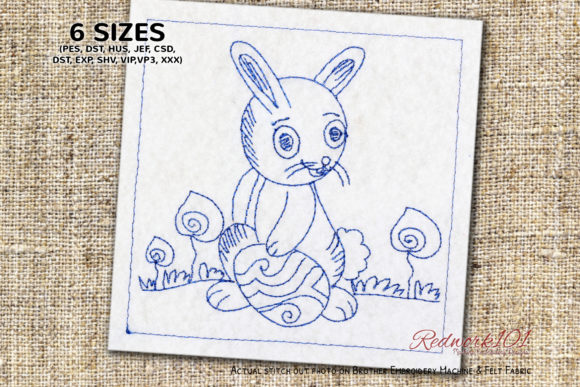
This design immediately strikes a note of gentle, classic Easter charm. The redwork style—typically single-color outline stitching—gives it a timeless, illustrative quality. It feels less like a holiday cartoon and more like a delicate sketch, which opens up its use beyond strictly seasonal items. The bunny’s posture and the decorated egg detail suggest a mood of quiet celebration, perfect for personalized gifts or boutique products that value subtlety over flash.
Where This Design Naturally Belongs
In practice, I envision this embroidery file shining on items where that delicate personality can be appreciated. It’s a natural fit for heirloom-style projects. Think of a beautifully embroidered pillow cover for a nursery, a special tea towel for a spring kitchen, or a lightweight blanket as a baby gift. The simplicity of redwork also makes it a strong candidate for custom apparel like a clean white sweatshirt or a linen tote bag, where the design acts as a refined accent rather than a dense, heavy feature.
For craft business owners, this translates well into products with a handmade presentation. An embroidered patch featuring this bunny, applied to a simple apron or cap, would carry a lot of visual appeal without overwhelming the garment. It’s the kind of design that customers often choose for its giftability—it feels thoughtful and well-made.
A Real-Life Scenario: The Spring Tote Bag
Let’s walk through a typical use case. I’m preparing a custom embroidered tote bag for a client’s spring market stall. The fabric is a natural canvas. I want a design that is recognizably Easter-themed but not overly juvenile, and that will stitch cleanly on a slightly textured fabric. Bunny with Decorated Egg Redwork comes to mind. Its lines are likely clear and open, meaning stitch density won’t be too high, reducing puckering on the bag. The optional box stitch border mentioned in the description gives me a choice: I can use it to frame the design neatly for a more finished look on the bag, or skip it entirely for a softer, unbounded illustration. That flexibility is a practical advantage.
Performance Considerations for Actual Stitching
For any machine embroidery design, how it translates from screen to stitch is everything. With a redwork design like this, the clarity of the lines is paramount. You’ll want to assess the detail level in the egg decoration and the bunny’s features. On smaller hoop sizes, very fine details can become lost or messy. I always advise testing on scrap fabric first, especially if you plan to stitch on challenging surfaces like curved caps or stretchy fabrics for baby clothes. A design with thinner lines may require careful stabilizer choice to prevent distortion.
Since the description notes the box stitch color is usually different and can be skipped, this directly impacts your thread color planning. For a true redwork look, you’d likely use one continuous color. If you add the box, you introduce a second accent color. This affects both your material cost and the final visual weight of the finished product. On dark fabric backgrounds, contrast is key; you’d want to ensure your chosen thread color pops sufficiently.
Handling With Care: Where to Be Mindful
This design’s appeal lies in its simplicity, but that also dictates where it should be used carefully. On very dark fabrics, a single-color outline might not have enough visual presence unless you choose a very bright or light thread. Similarly, on highly textured fabrics like some blankets, the clean lines could break up if the stitch parameters aren’t adjusted.
For products needing frequent washing, such as kitchen towels or baby items, the longevity of a predominantly outline stitch design is generally good—there’s less dense stitching to wear. However, you should always check that small, isolated details (like tiny elements on the egg) are securely stitched without overly short stitches that might unravel over time.
Boosting Your Product’s Value and Trust
From a commercial perspective, using a clean, well-executed design like this enhances customer trust in your handmade product. It shows a considered choice, not just a random holiday motif. For Etsy sellers and small shop product creators, it helps build brand consistency if your style leans towards classic, elegant crafts. When customers see a professionally embroidered item with a coherent theme, their engagement and perceived value of the item increase. It looks intentional, which is a hallmark of professionalism in the craft business world.
Practical Designer Notes Before You Hoop
Before committing this design to a client project or your own merchandise, run through these quick checks. First, always test the design on scrap fabric identical to your final product fabric. This reveals any issues with stitch density or small detail clarity. Second, review it in black and white mockups or on both light and dark digital backgrounds to judge contrast. This is crucial for creating strong printable mockups for your digital listings.
Finally, and this is vital, confirm the licensing terms of the digital embroidery file. The description provided doesn’t specify license details. You must verify whether this design is cleared for personal use only, or if it can be used in commercial embroidery projects where you sell the finished items. Never assume. This step protects your craft business and ensures you’re selling your beautifully embroidered tote bags, patches, and pillow covers ethically and legally.
The Bunny with Decorated Egg Redwork design offers a lovely, versatile foundation for spring and Easter projects. Its strength is in its understated mood and illustrative style, which lends itself to a range of products from gifts to boutique merchandise. By approaching it with these practical considerations in mind, you can confidently translate this digital asset into a stunning, professional-looking finished product that truly resonates with your customers.