Valentine's Heart Balloon: An Embroidered Romance
As an embroidery designer preparing for a weekend craft fair, every design choice is a business decision. When I evaluate Valentine's Heart Balloon for my booth, I’m looking at more than just a cute motif. I’m assessing its potential to attract attention, convey value, and be efficiently produced for a bustling handmade market.
First Impressions: Sweet & Playful Elegance
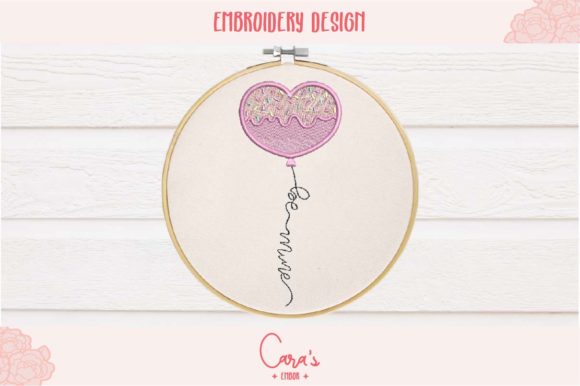
The title alone evokes a specific mood. This isn't a stark, minimal geometric heart; it’s a heart balloon. That suggests movement, lightness, and a touch of whimsy. The combination points toward a design that is sweet, playful, and carries a slightly elegant, decorative feel. It’s festive without being overly rustic or comical, leaning into a soft, romantic aesthetic that has broad appeal for Valentine's Day gifts.
For a craft fair table, this emotional tone is crucial. Customers scanning a booth from a few feet away need to quickly understand the product’s vibe. Valentine's Heart Balloon communicates “giftable” and “sentimental” instantly, which is a powerful starting point.
Product Performance: Where This Design Shines
Not every machine embroidery design performs equally well across all products. My real-world testing for a fair booth focuses on items that sell: tote bags, aprons, tea towels, caps, patches, and small giftable pouches or pillow covers.
Valentine's Heart Balloon feels like a versatile, medium-scale focal point. On a tote bag or market bag, it would sit beautifully as a central, statement piece. On an apron or a kitchen towel, it becomes a charming decorative accent. The key consideration is scale. As a embroidered patch, it could be stunning, but I would need to test a smaller version to ensure the balloon’s details and any potential lettering remain clear and uncrowded.
For caps, the curved surface requires careful planning. A balloon motif with possible flowing lines could adapt well, but stitch density and hoop size compatibility are absolute must-check items. The description wisely advises testing on your final fabric and stabilizer, and for curved hats, this is non-negotiable.
Practical Selling & Production Points
When producing batches for a fair, efficiency and consistency are everything.
Firstly, this design appears graphically clear. A customer should grasp the “heart balloon” concept at a glance, which is perfect for quick booth engagement. It also photographs well for Etsy seller listings and printable mockups. A clean, recognizable shape against a fabric background makes for strong online imagery.
Is it repeatable for batch production? That depends entirely on the design file’s specifics. I look for balanced stitch density that doesn’t overload lightweight fabrics like tea towel linen or cause puckering on totes. The note about testing portions of the design is a professional reminder: stitch out the densest areas, like a filled heart, on scrap fabric first. Also, thread contrast is vital. If stitching on dark fabric for a boutique look, I would verify the chosen color palette pops sufficiently.
Careful Use Notes for Handmade Quality
To maintain handmade product quality, I always heed these points:
- Tiny details and small lettering: If the design includes any, they may become lost or fuzzy at smaller sizes or on textured towels.
- Fabric texture: A rustic tea towel can add charm but may obscure finer lines. A smooth canvas tote bag will show clarity.
- Stabilizer choice: This is the unsung hero. The right stabilizer for the fabric ensures the design looks crisp and premium, not distorted.
- Creating one real mockup: Before batch production, I embroider one final, finished product. This reveals how it looks in real life, how the fabric behaves, and confirms the overall appeal.
Booth Impact & Customer Engagement
At the fair itself, Valentine's Heart Balloon has the potential to be a strong craft fair product. On a display pillow cover or a prominently placed tote bag, its romantic, decorative style can draw customers into the Valentine's Day section of my booth. It enhances perceived value because a clean, appealing embroidery design signals care and skill.
For brand consistency, if my shop leans into romantic or gift-focused items, this design fits seamlessly. It encourages buyer engagement because it’s easy to explain and connect to a sentiment—“It’s a heart floating like a balloon, so sweet!” That simple story can spark a conversation and a sale.
Final Designer Notes Before Production
My professional process before turning any digital embroidery file into commercial embroidery products for my small shop involves a checklist.
- Test stitch on scrap fabric: As the product description states, this is the first step. I test different fabric types I plan to use.
- Check thread contrast and color: I compare a few thread options against my fabric colors to maximize visual impact.
- Review design spacing and flow: I look at the design layout to ensure it sits well on the product’s intended location.
- Confirm commercial licensing: I verify the license for the embroidery file allows me to sell the finished products at a craft fair or on Etsy.
- Inspect stitch density: I run the design to see if any areas are so dense they might challenge lightweight fabrics or require specific stabilizers.
- Create a real sample for the booth: This sample becomes both a quality check and a display piece, showing customers the excellent handmade quality they can expect.
Valentine's Heart Balloon has the foundational appeal to be a successful design for Valentine's Day. Its thematic clarity and likely decorative elegance make it a candidate for standout items like totes, aprons, and gift pouches. By following diligent pre-production testing, focusing on fabric and stabilizer compatibility, and ensuring the design is scaled appropriately for each product, this embroidery can become a romantic and profitable part of any handmade market booth.