A Bunny with Purpose: Reviewing a Classic Easter Redwork Design
When a new embroidery design lands in my library, I don't just look at the preview. I think about how it’ll live on fabric. The Easter Bunny Carrying Egg Redwork Design presents itself as a straightforward holiday motif, but its real value is measured in stitches, not pixels. Let’s walk through what it offers from the perspective of someone who needs reliable, charming results for clients, products, and gifts.
The Immediate Charm & Practical Character
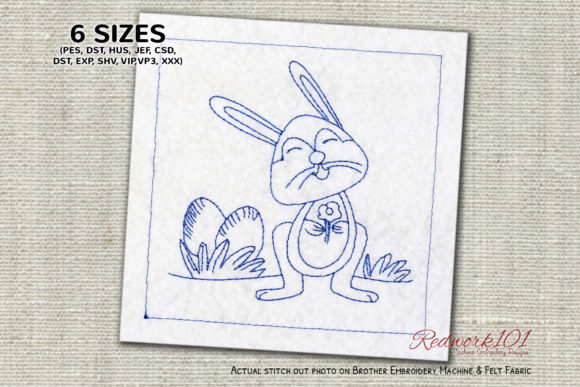
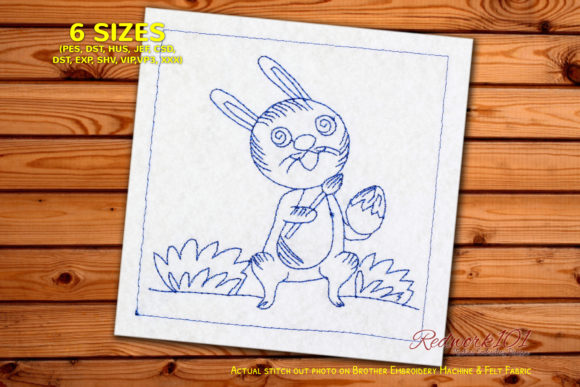
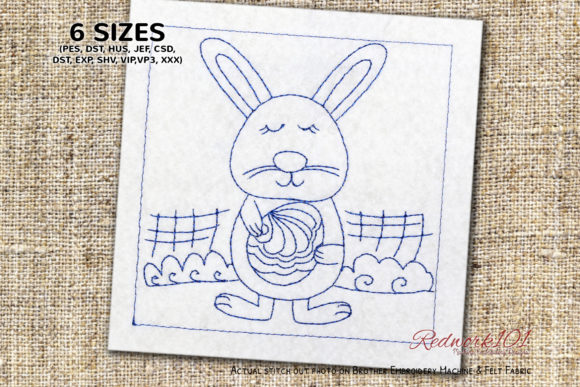
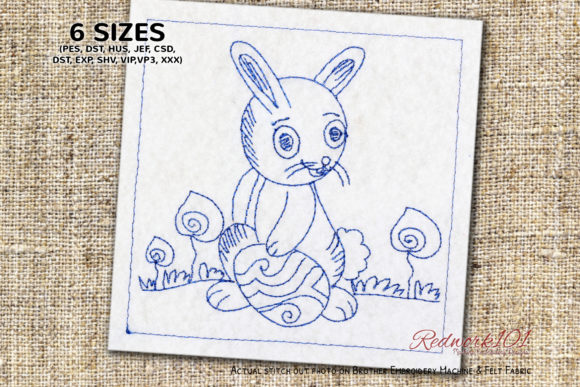
First impressions matter, especially when a customer is browsing your Etsy shop or choosing a gift. This design has a gentle, narrative quality. The bunny isn’t just standing there; it’s carrying the egg. That simple action adds a layer of storytelling, which can elevate a basic embroidery into a memorable piece. The redwork style, typically relying on a single thread color for outlines and details, promises clarity and a classic, handmade feel. It avoids the potential clutter of multicolor fills, which can be a blessing on textured fabrics like sweater knits or canvas tote bags.
The layout is centered and balanced, making it a natural focal point. The level of detail appears thoughtful—likely enough to define the character without creating impossibly tiny, fragile stitch sections that might vanish on a cap’s curved surface or fray on a frequently washed kitchen towel. This isn’t a hyper-realistic portrait; it’s an icon. That visual personality leans towards warmth and tradition, perfect for projects where the handmade presentation is key.
Where This Design Finds Its Home
I immediately envision this bunny at work. On the chest of a soft cotton sweatshirt, it becomes a cozy, seasonal statement. Stitched onto a durable canvas tote bag, it transforms a utilitarian item into a boutique-ready Easter gift. Applied to a linen pillow cover or a tea towel, it brings subtle holiday cheer to home decor without overwhelming the space.
For baby embroidery and nursery items, its friendly demeanor is a huge plus. Imagine it on the corner of a receiving blanket or the back of a toddler’s denim jacket. The single-color approach also means it’s less likely to feel overly busy on small-scale items like baby bibs. For craft business owners, this versatility is gold. One embroidery file can serve multiple product lines—from custom apparel to embroidered patches—helping maintain brand consistency across your holiday collection.
Considering the “Box Stitch” Option
The product note mentions an optional box stitch, clarifying it’s usually a different color and can be skipped. This is a practical feature. That border could frame the design beautifully on a personalized gift, like a monogrammed pillow, creating a more finished, intentional look. For a more integrated, organic feel on a sweatshirt or apron, skipping it keeps the focus purely on the bunny and egg. It gives you control over the final aesthetic, which I always appreciate.
Navigating Real-World Stitching Scenarios
Performance is where a design proves its worth. The presumed outline style of redwork suggests manageable stitch density. This is good news for fabrics that challenge denser designs: thin linens, stretchy polo shirt knits, or the textured weave of a baseball cap. Lower density often means less puckering and better adhesion on tricky surfaces.
However, any design with defined corners and details requires attention. On dark fabric, the single thread color (presumably a lighter shade for the redwork) must have strong contrast to remain visible. A quick test on scrap fabric is non-negotiable here. On layered garments like hoodies, proper stabilizer is crucial to prevent the design from sinking into the fabric’s loft. For products destined for frequent washing—baby items, kitchen towels, aprons—ensure your thread choice and stitch integrity can handle it. A clean, well-executed outline design often holds up better than complex fill stitch areas under wear.
Impact on Your Product & Your Customer
From a business and engagement perspective, this design hits specific notes. Its classic, skillful execution builds customer trust. It looks professional, not haphazard. That directly affects perceived value. A well-placed, crisp bunny on a tote bag can elevate the item from “craft” to “boutique product.” For holiday embroidery, recognition is instant—the Easter theme is clear without being aggressive. This aids in quick buyer decision-making in crowded online marketplaces or craft fairs.
The giftability is high. It feels personal and festive, making it ideal for last-minute custom gifts like embroidered tea towels or personalized baby outfits. For digital product sellers, this clean, scalable design also creates excellent printable mockups for your listings, showing potential buyers exactly how it could enhance their own embroidery project.
A Designer’s Practical Checklist Before Hooping
Before I’d run this for a client or a production batch, here’s my mental run-through:
- Test on Scrap: Always stitch it out on a scrap of your target fabric first. Check for clarity, especially of the bunny’s face and egg details.
- Color Contrast: Evaluate your thread color against both light and dark background fabrics. Does it pop sufficiently?
- Hoop Size & Scale: Confirm the design’s dimensions work for your intended hoop size and product area. On a small cap panel, for instance, you need to ensure it fits without crowding.
- Stitch Inspection: Look closely at the stitch file for any potentially tiny, jumpy details that might need tweaking for your specific machine or fabric.
- Commercial Use: If you’re selling the finished product or using it in commercial embroidery projects, absolutely verify the licensing terms of the digital embroidery file. Never assume.
- Context Match: Does the mood of the design match your product? This bunny might feel perfect on a child’s item but too whimsical for a corporate gift apron. Context is everything.
The Final Verdict for Makers
The Easter Bunny Carrying Egg Redwork Design is a thoughtful, versatile candidate for your spring projects. Its strength lies in its narrative simplicity and embroidery-friendly profile. It won’t solve every product need—it’s inherently seasonal and its style might not suit ultra-modern aesthetics—but for the vast landscape of holiday gifts, childhood keepsakes, and charming home accents, it delivers a reliable, heartwarming result. Stitch it with care, place it with intention, and it will carry that Easter sentiment perfectly, just like the bunny carries its egg.