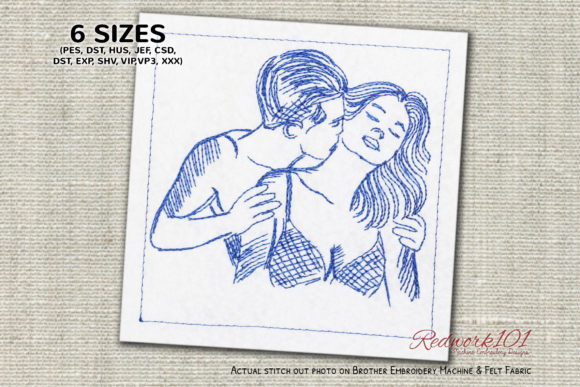
Romantic Boy Redwork Embroidery: A Designer's Honest Take
Every time I sit down to evaluate a new embroidery design for my projects or for my business, I ask one core question: will this feel good when it’s stitched? It’s not just about the digital file on screen; it’s about the real fabric, the thread, and the final product a customer will hold. Today, I’m looking at Romantic Boy Redwork, and I’m thinking through exactly where it might shine—and where it might need a careful hand.
First Glance: The Charm and Character of Romantic Boy
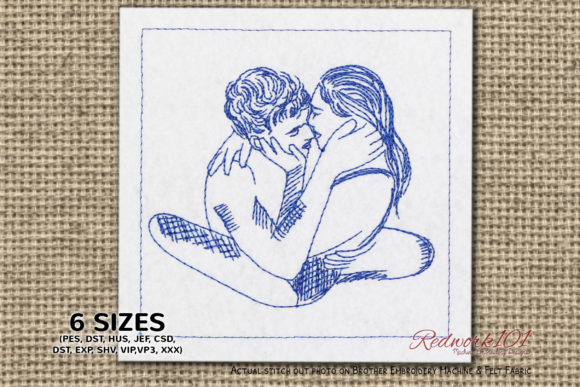
The immediate mood here is tender, classic, and gently sentimental. The redwork style, traditionally done in a single color, carries a timeless quality. This isn’t a loud, splashy Valentine's Day design; it’s more of a quiet nod to affection. The shape and layout suggest a certain elegance, a visual personality that leans towards heirloom projects or gifts meant to feel personal and lasting. As an embroidery designer, I see it naturally belonging on items where the story matters more than the flash: a commemorative pillow cover, a wedding gift handkerchief, or a delicate nursery decor piece.
Putting It Into Real Projects: Where This Design Thrives
I immediately pictured it on a high-quality cotton tote bag. It’s the kind of design that would elevate a simple bag into a boutique product, something an Etsy seller could confidently list as a “handmade romantic tote.” The single-color scheme (with the note that the optional box stitch can be a different color) makes it straightforward for thread management, which is a practical win for small business owners running multiple items.
For custom apparel, I’d lean towards applications where the fabric is stable and the garment has a certain weight. A linen apron, a cotton tea towel, or the chest of a well-made sweatshirt would be excellent canvases. The design would bring a crafted, thoughtful feel to these items, increasing their perceived value as handmade products. In a real scenario, preparing a custom embroidered baby blanket for a gift, this design would add a layer of personalized, gentle artistry without being overly childish.
As an embroidered patch, it could work beautifully, provided the stitch density is suitable for cutting and finishing. It would make a lovely accent on a jacket or bag, offering crafters a versatile design asset. For digital product sellers creating printable mockups, this design has a clean, recognizable form that would show well in previews, helping buyers visualize the final product.
Navigating the Tricky Spots: Where to Proceed with Caution
This is where practical judgment comes in. Based on its likely structure, I would be careful using Romantic Boy Redwork on very small hoop sizes. Fine details in redwork can lose clarity if scaled down too much, especially on textured fabrics like canvas or fleece. Thin or stretchy fabrics would demand a very thoughtful stabilizer choice to prevent distortion.
Dark fabric backgrounds are a classic consideration. Redwork traditionally implies a lighter base, but testing this design on a dark scrap first is crucial. You need to assess if the single color provides enough contrast and visual punch. Similarly, curved surfaces like caps can be challenging; the design’s layout might not adapt perfectly to a curved seam without some careful digitizing adjustments, which may not be included.
Any tiny lettering or extremely dense stitch areas (if present) would need inspection on a test run. For products destined for frequent washing, like kitchen towels or baby clothes, you’d want to ensure the stitch structure is robust enough to hold up over time, maintaining that professional finish customers trust.
The Impact on Your Craft and Business
Using a design like this effectively affects more than just the stitch. It influences customer trust. A well-executed, classic embroidery design on a high-quality product speaks to care and skill. For a creative entrepreneur, it can reinforce brand consistency if your shop specializes in nostalgic or heartfelt themes. Its giftability is high—it feels like a keepsake.
For commercial embroidery projects, it offers a versatile option for clients seeking a romantic, non-gender-specific motif. The clarity of the stitching, assuming a good digitization, will directly impact the handmade presentation. A clean, sharp redwork image looks professional and engaged; a fuzzy or distorted one can undermine buyer confidence. It’s all in the execution.
Practical Notes From the Worktable
Before committing this to a client project or your small shop merchandise, here’s my routine advice. Always test the design on scrap fabric identical to your final product. Check thread color contrast against your background. Review the stitch density by looking at the file closely—are there areas that might be too thick or too sparse?
Confirm the hoop size you plan to use by doing a physical test. Inspect small details for potential thread breaks or awkward jumps. It’s also immensely helpful to test the design in simple black and white mockups to see its form stripped of color, and compare how it looks on both light and dark backgrounds digitally before stitching.
Use the proper stabilizer for your chosen fabric; this is non-negotiable for a clean finish. Finally, and this is critical for craft businesses and digital product sellers: check the licensing terms provided with the file. Confirm whether this embroidery file is cleared for both personal and commercial projects, and understand any limits before selling finished items or including it in your own commercial design asset bundles. The product description mentions an optional element, so understanding what is core to the design and what is a modifiable extra is part of that review.
In the end, Romantic Boy Redwork strikes me as a design with a specific, lovely charm. It won’t fit every project, but for the right one—a timeless gift, a boutique product, a piece of gentle holiday embroidery—it could be exactly the thread that ties the whole idea together beautifully.