Raccoon Embroidery: A Designer's Review for Personalized Gifts
A First Look at This Charismatic Design
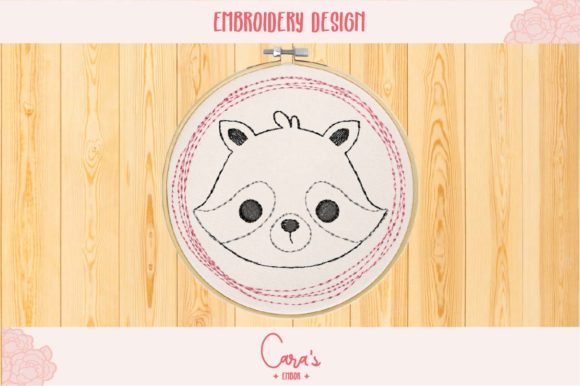
Opening the Raccoon embroidery file, my first impression was its undeniable charm. This design doesn’t just depict an animal; it captures a mood. The expression is sweet and playful, with a level of detail that suggests a gentle, handmade quality. It feels classic rather than overly modern, which gives it a timeless appeal perfect for creating an emotional connection. For someone seeking a personalized gift, this baby animal design radiates warmth and whimsy, making it an instant candidate for a meaningful keepsake.
Planning Your Personalized Product Line
From my perspective as a designer preparing products for a shop, the Raccoon design opens up a wonderful array of applications. It’s a versatile embroidery file that can anchor entire product categories.
For baby embroidery, it’s ideal for nursery items like blankets, wall hangings, or personalized burp cloths. Its sweet nature makes it a natural fit for baby product creators. For wedding gift designers, consider stitching it onto a kitchen towel or apron as a playful, cozy gift for the new home. As a family keepsake, a pillow cover or custom tote bag with this design becomes a cherished item.
For craft fair products or Etsy listings, think about a cohesive collection: an embroidered towel set, a series of nursery decor pieces, or even wedding gift baskets featuring themed linens. The design’s emotional appeal directly boosts giftability and perceived value. When customers see this handmade product in your product photography, they immediately understand its quality and story, which builds customer trust and engagement.
Where This Design Excels and Where It Needs Care
In my testing for custom embroidery, I envision where Raccoon will shine and where a careful approach is needed. Its overall form is robust, but always examine the smaller elements.
- Delicate details, like any fine lines or small features, require proper stitch density and stabilizer to remain crisp.
- On textured fabric, such as thick towels or blankets, the design may need adjustments to ensure full coverage.
- For stretchy baby clothes or curved surfaces like caps, extra stabilization is critical to prevent distortion.
- If applying to dark fabric, plan your thread colors carefully for maximum contrast; a light-colored design on dark material can be stunning but requires precise execution.
- Any product destined for frequent washing, like kitchen linens or baby items, must be stitched with durability in mind—secure stitches and quality thread are paramount.
The key, as always, is to test on scrap fabric first. Stitch a portion, especially any areas with intricate detail or small lettering if present, to see how your machine and materials handle it.
Turning a Digital File into a Trusted Finished Product
The journey from a digital embroidery file to a sellable finished product hinges on practical steps. For Etsy sellers and small shop product creators, these steps ensure quality and professionalism.
First, always confirm hoop size requirements from the file information to match your intended item. Create both light and dark fabric mockups, even printable mockups for your listings, to show customers potential variations. After stitching, meticulously check small details after stitching to guarantee every element is perfect.
Most importantly, if you plan to sell the embroidered goods commercially, confirm commercial licensing before selling finished products. Not every design is automatically licensed for commercial use, so this due diligence protects your business and respects the designer’s work.
Embroidery Notes for a Successful Application
My review process always includes these hands-on considerations. They are the difference between a good result and a great one.
- Use a stabilizer appropriate for your base fabric texture. A thick towel needs a different stabilizer than a smooth pillow cover cotton.
- Check thread color contrast against your final fabric before committing. What looks good on screen may need adjustment in reality.
- Review stitch density in your test stitch; too dense can stiffen a baby blanket, too light may not cover a towel adequately.
- For items like embroidered towels or blanket embroidery, consider the wear and wash factors and choose threads known for longevity.
- Always, always stitch a sample on the exact material you plan to use for production. This is the golden rule for any machine embroidery design intended for customer orders.
The Final Word on Giftability and Customer Appeal
From a shop owner’s viewpoint, the Raccoon design is a strong asset. It attracts customers looking for a gift with soul—parents wanting special nursery decor, friends seeking a unique wedding gift, or anyone desiring a personalized tote or pillow. The design’s handmade feel directly translates to higher perceived value. In your product photography, a well-stitched Raccoon on a beautiful item tells a story of care and craftsmanship, which is what buyers of handmade products truly seek. It fosters an emotional connection that standard, mass-produced items cannot.
Remember, the note included with the design is wise: Test stitch the design, or portions of it, before stitching it onto your final item, as results may vary depending on fabric and stabilizer. This isn’t a caution; it’s the professional’s protocol. By following it, you ensure every custom embroidery order featuring this charming Raccoon becomes a flawless, trusted, and beloved personalized gift.