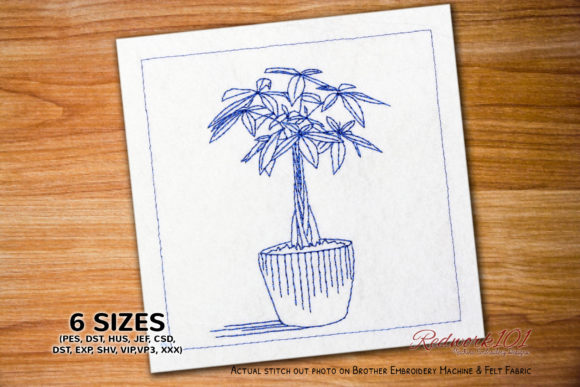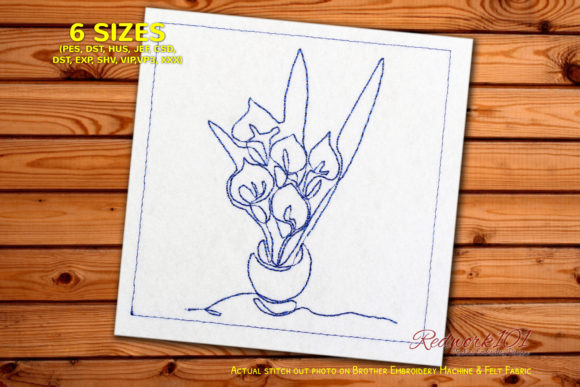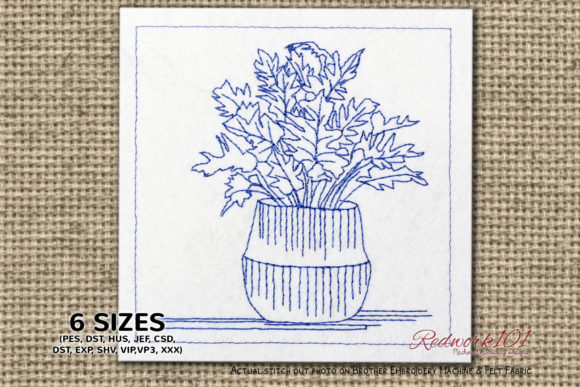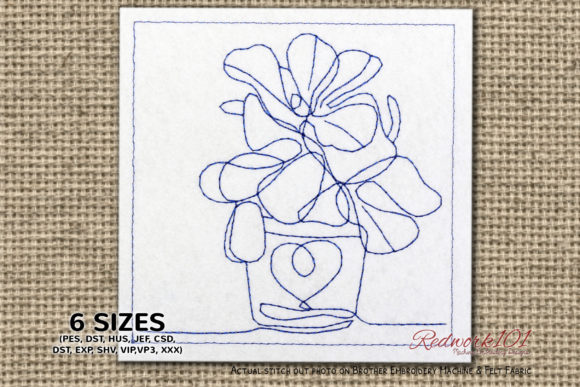
Cacti Succulents Redwork: A Business Design Review
As a professional embroidery designer, I’m constantly evaluating digital embroidery files for their real-world application in branded merchandise. Today, I’m reviewing the Cacti Succulents Redwork design from the perspective of a small business owner looking to elevate their products, uniforms, and patches. This review focuses on its practical use, visual personality, and how it can serve as a powerful asset for your brand.
First Impression: Rustic Charm & Friendly Professionalism
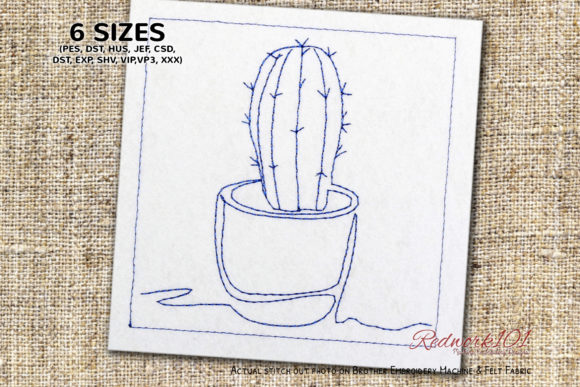
The Cacti Succulents Redwork title immediately suggests a design rooted in nature and handcrafted detail. The “Redwork” style typically implies a focus on outline and detail, often with a single, prominent color, which offers a classic, slightly rustic feel. For businesses like a boutique café, a handmade ceramics studio, a local florist, or a creative Etsy shop, this aesthetic is incredibly valuable. It feels friendly, handmade, and authentic—qualities that resonate deeply with modern consumers seeking a genuine connection with small brands. It’s decorative, yes, but it carries a professional simplicity that can translate into a trusted brand mark.
Real-World Applications for Small Business Merchandise
This embroidery design isn’t just art; it’s a versatile business tool. Let’s explore concrete applications.
Embroidered Patches for Branded Products
The Cacti Succulents Redwork design is a prime candidate for creating custom embroidered patches. These can be applied to tote bags, aprons, or even as a product label accent on handmade goods. The optional Box Stitch mentioned in the description is a critical consideration here. If you’re creating a standalone patch, that border can provide a finished, professional frame. For a more integrated look on an apron or work shirt, skipping the box and letting the succulent design stand alone might create a cleaner, more modern accent.
Uniform & Apparel Embellishment
For staff uniforms, think of this as a chest logo on a polo shirt, a subtle sleeve detail on a baker’s jacket, or a central design on a café apron. Its thematic nature works beautifully for businesses with a botanical, natural, or handmade ethos. As a cap embroidery design, its success depends on the size and stitch density. On the curved front of a cap, a simplified, smaller version of the design might be needed to ensure clarity.
Product Packaging & Customer Engagement
Beyond apparel, this design can be embroidered directly onto merchandise like premium tote bags sold in your boutique, or onto the fabric labels of your handmade products. It elevates the perceived value, signaling care and craftsmanship. For event merch or customer gifts, an item featuring this embroidery acts as a tangible piece of your brand identity, fostering recognition and loyalty.
Careful Considerations for Production Success
To ensure Cacti Succulents Redwork performs well in commercial embroidery, you must address several practical points.
- Size & Scale: Test the embroidery file at the intended patch size. Small patches require designs with clear, open spacing; intricate details can become lost or muddy.
- Fabric & Texture: The design should be tested on the actual fabric you’ll use—whether it’s a thick canvas tote bag, a textured apron twill, or a smooth polo shirt for uniforms. Different fabrics require different stabilizer choices.
- Thread Color Contrast: Since the outer box color can be different or skipped, carefully plan your thread color palette. High contrast between the design and the fabric (e.g., redwork on a dark uniform) is essential for visibility and impact.
- Durability: For items that need frequent washing, like work shirts or aprons, a robust stitch construction is key. Review the stitch density; overly dense areas can be stiff and less durable over time.
Impact on Brand Identity & Customer Perception
Implementing a cohesive design like Cacti Succulents Redwork across your merchandise creates visual consistency. This consistency builds customer trust and professionalism. When a customer sees the same elegant succulent design on your staff’s apron, your product’s label, and the tote bag they purchase, it reinforces a complete and thoughtful brand experience. It moves beyond decoration to become a recognizable asset. For handmade brands and Etsy sellers, this authenticity directly enhances buyer engagement, making your products feel unique and carefully curated.
Practical Designer Notes Before You Stitch
Before committing this design to production, follow these steps.
- Create a Mockup: Use a printable mockup or a digital preview to show clients or yourself how the finished product will look. This is vital for approval and avoids costly mistakes.
- Test in Black and White: Embroider a sample in a single color on both light and dark fabric to assess the design’s fundamental shape and clarity without color complexity.
- Compare Beside Other Assets: Place the embroidered sample beside your other branding elements (logos, fonts) to ensure visual harmony.
- Confirm Technical Details: Check the required hoop size for your machine and the specific stabilizer recommended for your fabric type. These are not provided in the description and must be verified for your specific embroidery file.
- License for Commercial Use: Always confirm that your digital embroidery file purchase includes a license for commercial embroidery on the products you intend to sell.
In conclusion, the Cacti Succulents Redwork embroidery design holds significant potential for small businesses seeking a natural, handmade aesthetic. Its application as an embroidered patch, uniform accent, or merchandise embellishment can strengthen your brand’s story and product value. By carefully testing for scale, fabric, and color, and ensuring proper commercial licensing, you can transform this Single Flowers category design into a reliable and beautiful asset for your embroidery projects.