A Practical Review of the First Quarter Embroidery Design
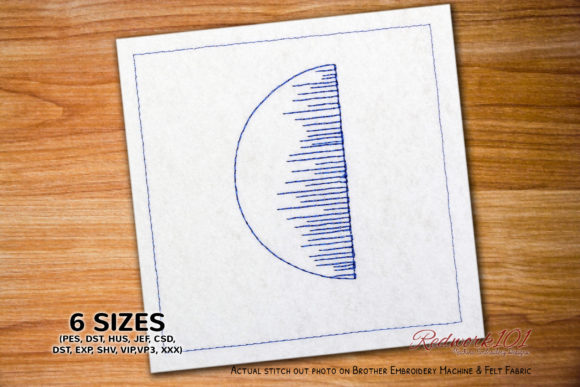
As I sit down to prepare my lineup for the upcoming weekend craft fair, my first task is to evaluate which designs will move from my digital library onto real products. Today, I'm looking closely at First Quarter. This design, categorised as Inspirational, presents an interesting case. The description mentions an optional Box Stitch, with the outer box typically being a different color unless integral to the design. This flexibility is my starting point.
The First Impression: Mood & Market Fit
At a glance, First Quarter feels modern and minimal with a touch of decorative elegance. It leans premium, not rustic or farmhouse. For a craft fair booth, this is key. It won't appeal to everyone, but it will instantly connect with customers looking for something clean, thoughtful, and understated. In a sea of bold florals and funny quotes, First Quarter can stand out by being quietly confident. Its success hinges on pairing it with the right product and fabric.
Putting First Quarter on Products: Where It Shines
I imagine my table display: tote bags, aprons, tea towels, caps, pillow covers, and small fabric pouches. Not every design works on every item.
Strong Candidates for This Design
- Pillow Covers: This is a top contender. The minimal, possibly geometric nature of First Quarter suggests it would be a beautiful focal point on a linen or cotton pillow. It feels giftable and decorative.
- Tote Bags & Market Bags: On a solid-color canvas tote, especially in neutral tones like cream, grey, or olive, First Quarter could elevate a simple bag into a boutique-quality item. It should be placed centrally for impact.
- Fabric Pouches & Small Gift Items: For smaller handmade gifts, this design could work as a lovely accent if scaled appropriately. It adds a touch of thoughtful detail without overwhelming the item.
- Tea Towels & Aprons: For kitchen textiles, this depends heavily on the final design details. If it's more symbolic or textual, it could fit an inspirational kitchen vibe. The optional box stitch might frame it nicely on an apron pocket.
Products Requiring Caution
- Caps & Curved Surfaces: Small details and lettering in embroidery designs can lose clarity on curved cap surfaces. Unless First Quarter is bold and open, I'd avoid caps unless tested first on scrap fabric.
- Embroidered Patches: Patches require very clear, often denser stitching to hold their shape. The description’s note about the box color being different suggests possible multi-element construction. Tiny details might not translate well to a standalone patch.
- Dark Fabrics: Inspirational designs often need high thread contrast to be readable. Using First Quarter on dark denim or black fabric requires careful thread color selection to maintain its elegant appeal.
The Practicalities of Production & Sales
Turning a digital embroidery file into a sellable craft fair product involves real-world logistics.
Production Notes for the Maker
Before stitching First Quarter on any inventory, I follow my own strict checklist:
- Test on Scrap Fabric First: Always. Use the same fabric and stabilizer you plan for production (e.g., canvas for bags, linen for pillows). This reveals stitch density issues and thread behavior.
- Check Thread Contrast: The optional box stitch having a different color means managing two color contrasts against your fabric. Ensure both elements pop clearly.
- Review Spacing & Scale: Is First Quarter a large focal design or a smaller accent? Test different hoop sizes. On a textured towel or thick fabric, small lettering or intricate lines can get lost.
- Inspect Stitch Density: Dense stitch areas can be problematic on lightweight fabrics or cause puckering. Good stabilizer choice is non-negotiable.
- Create One Real Mockup: Never rely solely on a printable mockup for your Etsy listing or booth sample. Stitch one perfect finished product. It informs your pricing and shows true handmade quality.
- Compare Fabric Colors: The design's mood changes completely on white versus natural versus dyed fabric. Have a range ready to see which pairing maximizes visual appeal.
- Confirm Commercial Licensing: The description doesn't specify license terms. As a digital seller and maker, I must verify I have the right to use this embroidery file for commercial products before selling anything at my fair.
Selling Points at the Booth
When a customer approaches my booth, First Quarter needs to grab attention and justify its price.
- How It Photographs: For my Etsy listings and online presence, clean, minimal designs like this photograph beautifully. They look professional and premium, boosting perceived value.
- Understanding at a Glance: Can a customer walking past understand it quickly? Inspirational designs sometimes need a moment. Placement is key—put these products at eye level where someone can pause.
- Repeatability for Batch Production: If First Quarter sells well, can I efficiently batch-produce ten tote bags? Designs with consistent stitch areas and clear color changes are faster to produce. Complexity in the optional box stitch might add time.
- Brand Consistency: If my shop aesthetic is modern minimalist, First Quarter strengthens that brand. It creates a cohesive booth display.
Final Judgment for the Craft Fair
First Quarter has strong potential as a boutique-style product for my handmade market offerings. Its modern, minimal feel targets a specific customer—one looking for quiet inspiration or elegant decoration rather than loud statement. Its practical success depends entirely on execution.
My plan is to use it as a focal design on premium items: linen pillow covers and high-quality canvas tote bags. I will skip the box stitch if it complicates production unless it significantly enhances the design's appeal. I will avoid using it on small items or textured fabrics where its details might vanish.
The true test is always at the fair itself. I will place my best First Quarter pillow cover at the center of my display, paired with simple, quality fabrics. It will serve as a benchmark for quality and attract customers who appreciate subtle, well-made embroidery. For the embroidery business owner, digital seller, or creative entrepreneur, designs like this remind us that clarity in execution—from choosing the right stabilizer to selecting the perfect product pairing—is what transforms a good digital embroidery file into a great craft fair product that sells.