A Fresh Cucumber Keyfob for Craft Fair Success
First Impression: Why This Cucumber Stands Out
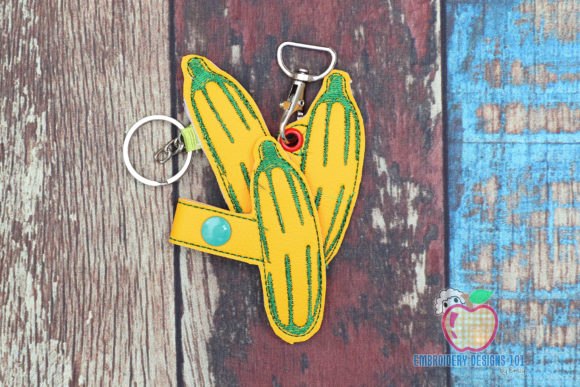
When preparing for a weekend market, your product table needs designs that grab attention instantly. The Fresh Cucumber in the Hoop Keyfob design does exactly that. The title alone conjures a clear, vivid image—it’s not generic. This design feels fresh, playful, and wonderfully rustic. It leans into a charming farmhouse aesthetic that’s incredibly popular in handmade markets, but it also has a crisp, clean quality that can feel modern and decorative. On a crowded table next to floral patterns and abstract art, a bold, recognizable vegetable like a cucumber can be a surprising and delightful focal point. Customers notice specificity. They connect with something they know and love, whether it’s gardening, cooking, or just a love for fresh, healthy imagery.
Placing the Design on Your Best-Selling Products
Your success at a craft fair hinges on putting a great machine embroidery design on the right products. Let’s evaluate where this cucumber will shine.
Tote Bags, Market Bags & Aprons
For larger items, the keyfob format suggests this is a smaller, accent design. On a tote bag, it would work perfectly as a sweet, subtle detail near a pocket or on a corner, rather than a huge central motif. This makes it an excellent choice for creating a coordinated line—a cucumber on the bag, a matching radish on a pouch. On an apron or kitchen towel, its food theme is a natural fit. Embroidered on a tea towel, especially in a contrasting thread color on a solid linen, it elevates a simple item into a premium, giftable handmade product.
Patches, Pouches & Caps
As an embroidered patch, this design is a fantastic standalone product. Gardeners, chefs, and home cooks would love to add it to a jacket or bag. The “in the hoop” nature means it’s designed to be finished as a neat, bordered item, making patch production streamlined. On a fabric pouch or a small pillow cover, it becomes a charming focal point. For caps, be mindful: curved surfaces can distort designs. Test it first on scrap fabric similar to cap material to ensure the stitch density and details hold up on the curved panels.
Practical Production & Selling Points
As a professional, I judge a design not just by its look, but by how it performs in real-world production for my craft fair product lineup.
Visual Clarity & Batch Production
This design’s strength is its immediate understandability. At a glance, it’s a cucumber. That’s crucial for fast-moving fair customers. It likely works best at its intended size—as a keyfob—but I would advise caution if considering shrinking it significantly for, say, a tiny pouch accent. Small lettering or intricate leafy details can lose clarity. Conversely, enlarging it too much for a pillow might expose overly dense stitch areas, requiring careful stabilizer choice. For batch production, a simple, recognizable motif like this is a dream. It’s repeatable without becoming monotonous, and using consistent thread colors across a batch ensures brand consistency and a polished booth display.
Photographing for Online Sales
For your Etsy seller or small shop product listings, this design photographs beautifully. The contrast between the green cucumber and a neutral fabric background is naturally appealing. Creating at least one real, physical mockup—not just a printable mockup—is essential. Photograph it on the actual products: a linen towel, a canvas tote. This shows the true texture and handmade quality, which increases perceived value far more than a digital render.
Careful Use Notes for the Working Designer
Every digital embroidery file requires a practical review before hitting the “start” button on your machine for production.
- Test on Scrap Fabric First: Always run the design on a scrap of the exact fabric you plan to use for your main product. Is the fabric texture too loose (like some tea towels) for fine details? Does a dark fabric require a lighter thread for proper contrast?
- Check Hoop Size & Stabilizer: The product title indicates it’s meant as a “keyfob,” implying a smaller hoop. Confirm the required hoop size from the provided tutorial. Use a stabilizer appropriate for the final product’s use—a firmer stabilizer for a patch that needs structure, a lighter one for a towel that must remain soft.
- Review Spacing & Density: Look closely at the design preview. Are there areas of extremely high stitch density that might puckered thick fabric like canvas? Does the design have tiny elements that might get lost if you’re using a textured fabric?
- Confirm Licensing for Commercial Use: The description mentions a tutorial, but always verify the license terms of the embroidery file itself. Ensure you have clear rights for commercial embroidery and selling the finished products at your fair or online.
The Final Verdict for Your Handmade Booth
The Fresh Cucumber in the Hoop Keyfob design is a strong contender for your market table. Its specific, cheerful theme taps into a popular niche. It’s versatile across a range of products, particularly smaller accent items and patches, which are high-margin, quick-to-produce favorites. Its visual clarity ensures it communicates its charm instantly, boosting customer engagement. By pairing it with high-quality fabrics and precise embroidery, you transform a simple digital file into a premium, giftable item that tells a story of freshness and handmade care. My recommendation? Make a batch of cucumber patches and a set of linen tea towels. Display them together at your booth. They will create a cohesive, attractive vignette that demonstrates your skill and appeals directly to the hearts—and kitchens—of your customers.