A Floral Butterfly Lineart Design for Real Projects
First Impressions: Elegant Simplicity with Decorative Potential
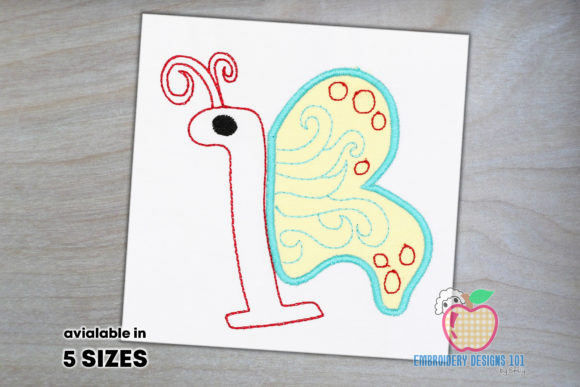
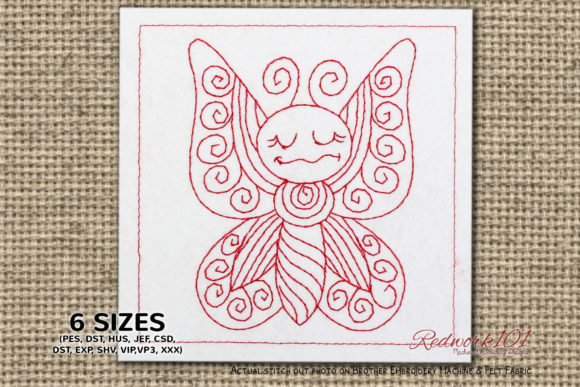
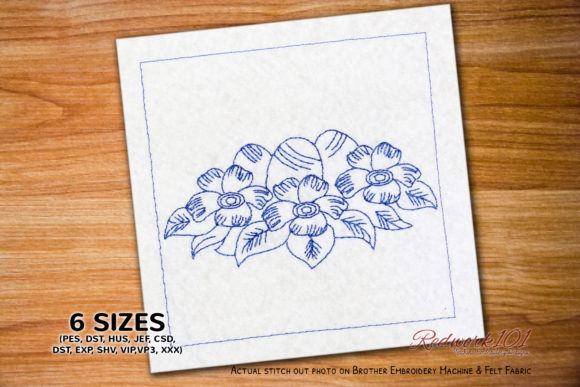
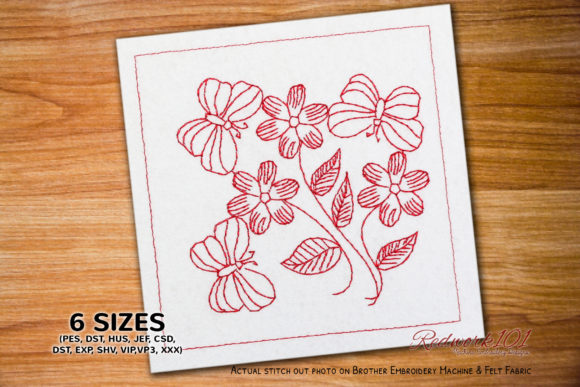
When I first opened the Flowers and Butterflies Lineart embroidery file on Creative Fabrica, my immediate impression was one of clean, elegant simplicity. This is not a dense, heavily filled design, but a delicate outline style. The visual mood is light, airy, and somewhat whimsical, making it perfect for projects where you want a decorative touch without a heavy, bulky stitch presence. The lineart personality suggests it will stitch quickly and with minimal thread consumption, which is a practical advantage for any embroidery designer working on multiple items or commercial orders.
Where This Design Naturally Fits in Your Project Lineup
Thinking about my upcoming orders and typical product categories, I can see Flowers and Butterflies Lineart fitting seamlessly into several niches. Its delicate nature makes it ideal for baby items like blankets or bibs, where soft decoration is key. For custom apparel such as lightweight sweatshirts, t-shirts, or aprons, it offers a branded look without overwhelming the fabric. It’s a strong candidate for handmade gifts like pillow covers or kitchen towels, adding a personal, craft-focused aesthetic. For Etsy sellers and craft fair products, this design could easily become a staple for seasonal items, particularly spring and summer collections. The lineart style also lends itself beautifully to creating embroidered patches, which can then be applied to caps or bags.
Considering Commercial Use and Product Value
From a commercial perspective, using a design like this can enhance product value through its handmade presentation. A clean, well-executed lineart embroidery on a tote bag or apron signals attention to detail and craftsmanship, which builds buyer trust. For brand consistency, a set of related lineart designs can create a cohesive look across a product line. In terms of giftability and customer engagement, these floral and butterfly motifs are universally appealing and photograph well for product photography and printable mockups, making your online listings more attractive.
Practical Performance on Real Fabrics and Items
Moving beyond theory, let’s consider how this machine embroidery design might perform on actual materials. The description notes an optional box stitch, which is helpful for framing but can be skipped, allowing the design itself to be the focus. This flexibility is good for adapting to different project sizes.
Fabric and Project Considerations
On textured fabric like towelling for kitchen linens, the open stitch density of lineart should prevent a stiff result. For stretchy fabric like t-shirts, using proper stabilizer is paramount to keep the delicate lines from distorting. Dark fabric will require careful thread color contrast planning; a bright white or pastel thread could make this design pop beautifully. One of the main advantages of a lineart style is its suitability for small hoop sizes. This means you can potentially run it on smaller machines and on items with limited space, like the curved surfaces of caps or small patches.
However, the “lineart” nature also calls for attention to tiny details. Before committing to a customer’s order, it is essential to test on scrap fabric of the same type you’ll use. Inspect the small details after stitching—ensure the fine lines of butterfly wings or flower stems are stitching cleanly without breaks or excessive jumps. This pre-check can save a finished product from flaws.
Essential Steps Before Starting a Customer Order
To ensure a professional outcome and avoid licensing issues, a methodical approach is needed.
- Check the Creative Fabrica Product Page: Always confirm the exact file formats, included sizes, and licensing terms for the Flowers and Butterflies Lineart design before using it for any finished product you plan to sell. This is a non-negotiable step for any digital embroidery file.
- Compare Light and Dark Fabric Mockups: Use your software to simulate the stitchout on both light and dark backgrounds. This helps visualize thread colors and final appearance.
- Review Stitch Density and Pathing: Open the file in your embroidery software. Look at the stitch order and density. Lineart typically uses running stitches, but check for any areas that might use satin stitch for emphasis.
- Confirm Hoop Size Requirement: Based on the design dimensions listed on the product page, select the appropriate hoop for your machine and project. For a baby blanket, you might want a larger hoop, while for a cap, you’ll need a smaller, specialized one.
- Use Proper Stabilizer: Match the stabilizer type and weight to your fabric. A delicate design on a sturdy tote bag might need less stabilization than on a stretchy sweatshirt.
Final Assessment: Is It Worth Adding to Your Toolkit?
From the viewpoint of an experienced embroidery designer, Flowers and Butterflies Lineart presents a specific, useful style. It is not a universal, all-purpose fill design, but its strength lies in its decorative lightness. If your product line or customer base frequently requests delicate, feminine, or nature-inspired motifs for personalized gifts, nursery decor, or lightweight apparel, this design is certainly worth downloading and testing. Its potential for quick stitchouts and low thread usage can improve efficiency for small business owners. However, its success hinges entirely on proper technique: testing, stabilizing, and color selection. For dense, bold statement pieces, you would look elsewhere. But for adding a touch of handmade charm to a wide array of products—from kitchen towels to boutique merchandise—this lineart set from the Bugs category (though more floral than bug-like) offers a versatile and practical embroidery asset.